All Tours in Tokyo & Kamakura
Welcome to my private cultural tours.
Japan is not only something to see.
It is something to taste, walk through, listen to, and slowly discover.
I offer private cultural walks for travelers who want to experience Japan beyond ordinary sightseeing — through food, quiet temples, historic neighborhoods, beautiful gardens, local stories, Zen, Japanese aesthetics, and everyday life.
My walks are personal and relaxed. We can follow your interests, move at a comfortable pace, and take time for the small details that often make a journey memorable.
Whether we are tasting fresh seafood in Tsukiji, walking through the sacred forest of Meiji Shrine, exploring Tokyo after dark in Shibuya, discovering old Tokyo in Asakusa, or visiting the Zen temples of Kamakura, I hope to help you experience Japan with more depth, warmth, and enjoyment.
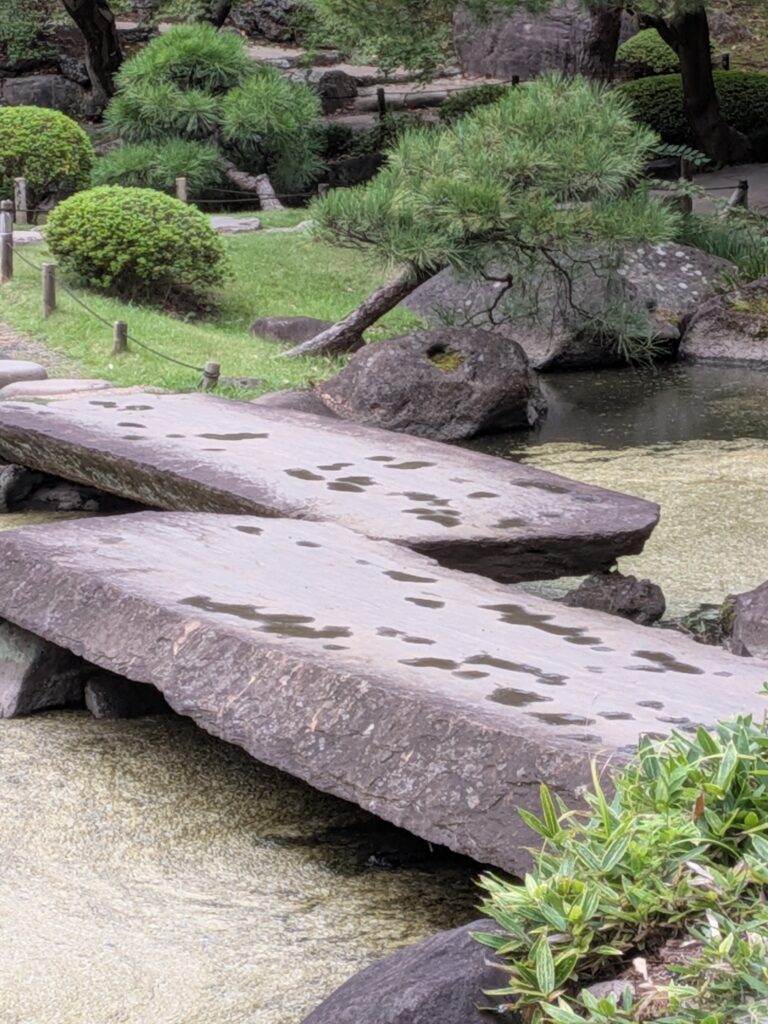
Choose Your Walk
Each walk can be adjusted depending on your interests, pace, travel dates, and the season.
| Experience | Best for | Duration |
|---|---|---|
| Tokyo Garden Walks | Japanese gardens, quiet beauty, seasonal nature, aesthetics, peaceful Tokyo | About 3–4 hours |
| Tsukiji Food Culture Walk | Food lovers, seafood, market culture, everyday Tokyo | About 3 hours |
| Meiji Shrine & Omotesando | Shinto, sacred nature, fashion, design, modern Tokyo | About 2.5–3 hours |
| Meiji Shrine to Shibuya | Sacred forest, Harajuku, Omotesando, Aoyama, fashion and pop Tokyo | About 4 hours |
| Shibuya: Crossing, Backstreets & Pop Tokyo | First-time visitors, pop culture, youth culture, shopping streets, modern Tokyo | About 2 hours |
| Shibuya Evening Food Walk | Night food, casual dining, drinks, nightlife, local atmosphere | About 3–4 hours |
| Imperial Palace, Tokyo Station & Ginza | Edo history, samurai government, Tokyo Station, underground city, modern Tokyo | About 3 hours |
| Tokyo in One Day: Imperial Palace, Tsukiji & Asakusa | First-time visitors, Edo history, food culture, temples, classic Tokyo | About 5 hours |
| Asakusa: From Play to Pray | Old Tokyo, Senso-ji Temple, street culture, Buddhist devotion | About 2.5 hours |
| Kamakura: Zen, Samurai, and the Great Buddha | Zen temples, samurai history, sacred landscapes, coastal town atmosphere | About 4.5 hours |
Some walks are more reflective. Others are lighter, livelier, and more playful. All of them are designed to help you experience Tokyo and Kamakura through local stories, cultural context, and enjoyable time on foot.
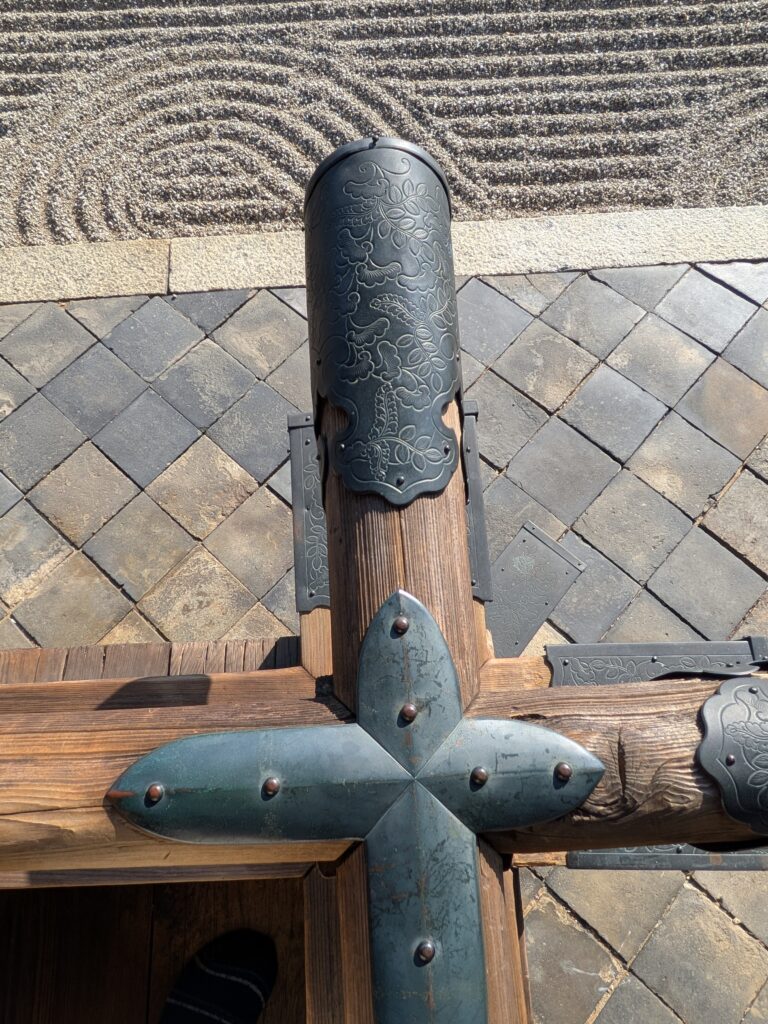
Available Experiences
Tokyo Garden Walks
Tokyo has many beautiful Japanese gardens, each with a different atmosphere, history, and seasonal charm. Rather than offering only one fixed garden route, I can suggest different combinations depending on your interests, pace, travel dates, and the season.
A Tokyo Garden Walk may include classic Edo-period strolling gardens, quiet museum gardens, refined private-style gardens, hotel gardens, or peaceful green spaces hidden within the modern city. Possible areas and gardens may include Kiyosumi Garden, Rikugien, the Nezu Museum garden, Koishikawa Korakuen, Hamarikyu, the Imperial Palace East Gardens, Chinzanso, or other gardens depending on the day.
These walks are ideal for travelers who want to experience a quieter side of Tokyo — seasonal flowers, ponds, stones, bridges, teahouses, borrowed scenery, garden design, Japanese aesthetics, and the feeling of stillness within the city.
As a specialist in Japanese religion, philosophy, and aesthetics, I can also introduce the deeper cultural background of Japanese gardens: ideas of nature, impermanence, wabi-sabi, Zen, tea culture, and the art of creating a small world within a limited space.
Possible themes include:
- Edo-period strolling gardens 回遊式庭園
- seasonal flowers and autumn leaves
- Zen, tea culture, and Japanese aesthetics
- stones, water, bridges, and garden design
- quiet places within the modern city
- gardens combined with museums, temples, or neighborhoods
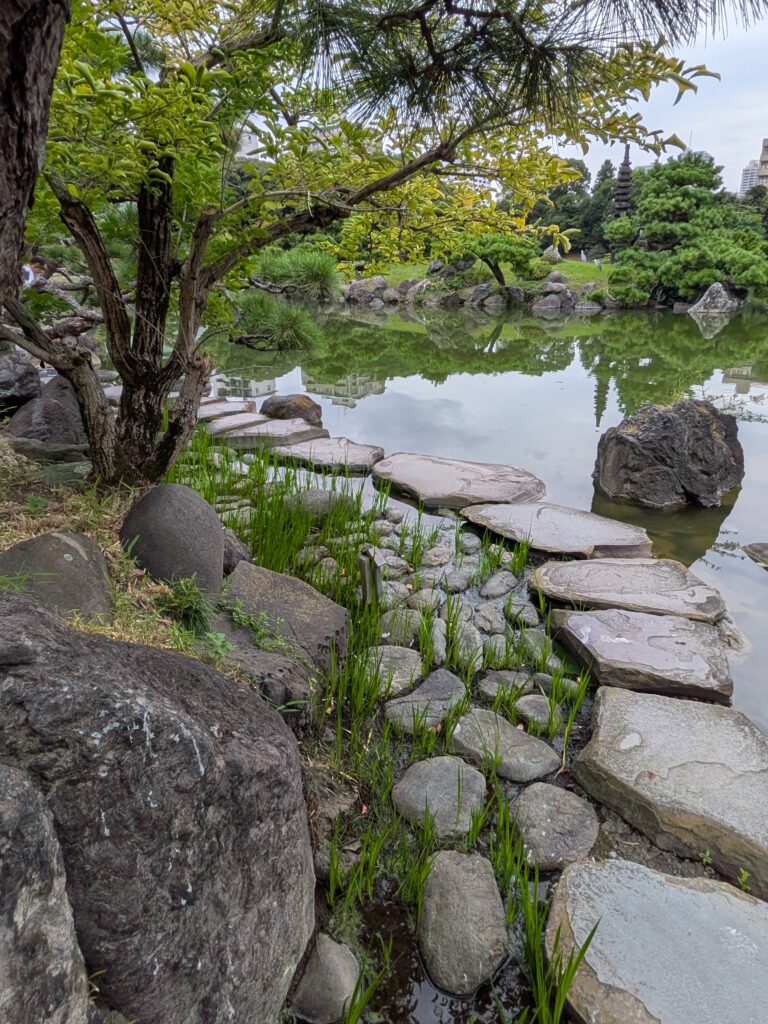
Kiyosumi garden
Duration: Usually about 3–4 hours (flexible)
Private tour fee: Please inquire.
Please note: garden combinations depend on opening days, the season, weather, and your preferred pace.
Please let me know your preference and what you would like to see.
Stillness & Spirituality in Tokyo
Tokyo is often imagined as a city of crowds, trains, neon lights, and constant movement. But within the city, there are also many places of quietness, prayer, seasonal beauty, and stillness.
This category of walks introduces a more reflective side of Tokyo through gardens, shrines, temples, sacred spaces, and calm neighborhoods. Depending on your interests, a walk may include Japanese gardens, shrine forests, Buddhist temples, incense, ritual gestures, seasonal flowers, quiet paths, or places where nature and spirituality still shape the feeling of the city.
These walks are not formal meditation sessions or religious instruction. They are gentle cultural walks for travelers who want to slow down, notice more, and understand how ideas such as purity, impermanence, wabi-sabi, prayer, nature, and everyday spirituality appear in Japanese places.
Possible routes may combine places such as Buddhist temples, Meiji Shrine, Japanese gardens, quiet museum gardens, smaller temples, old neighborhoods, or sacred spaces hidden within the modern city.
This is a good choice for travelers who are interested in Japanese religion, Zen, Shinto, Buddhism, gardens, aesthetics, or simply a calmer and more meaningful experience of Tokyo.
Possible themes include:
- stillness within the modern city
- Shinto shrines and sacred nature
- Buddhist temples, prayer, and meditation
- Japanese gardens and seasonal beauty
- Zen, wabi-sabi, and aesthetics
- the relationship between nature, ritual, and everyday life
- quiet places away from ordinary sightseeing routes
- nothingness and its experience
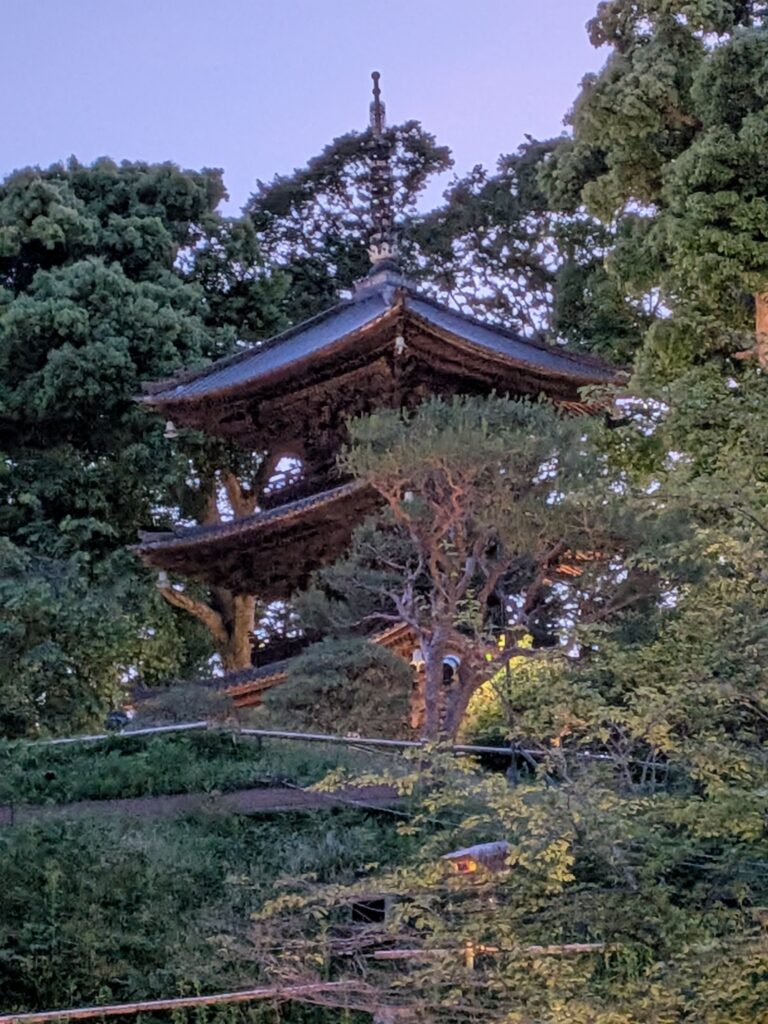
Duration: Usually about 2.5–4 hours
Private tour fee: Please inquire.
Tsukiji Food Culture Walk
Enjoy a relaxed and lively food walk through Tsukiji Outer Market, one of Tokyo’s most exciting places to taste fresh seafood, street snacks, seasonal ingredients, Japanese sweets, and local specialties.
As we explore the market together, I will introduce not only delicious foods, but also the stories behind them — from seafood culture and seasonal flavors to the everyday food traditions that shape life in Tokyo.
This walk is a fun and flavorful way to experience Tokyo through its food, people, and lively market atmosphere.
Topics include:
- seafood culture
- seasonal ingredients
- Japanese eating traditions
- everyday life in Tokyo

Duration: about 3 hours
Private tour fee: Please inquire.
* Tsukiji Outer Market is usually most enjoyable on Mondays, Tuesdays, Thursdays, Fridays, and Saturdays, especially in the morning.
Please note that many shops may be closed or quieter on Sundays, national holidays, and some Wednesdays, depending on the market calendar and each shop’s schedule. If Tsukiji is not ideal on your preferred date, I can suggest an alternative food and culture route, such as Ginza, Nihonbashi, or a department-store food hall.
(It is possible to add Hama-Rikyū Japanese garden, Ginza or Shibuya area to this Tsukiji Tour. )
Meiji Shrine & Omotesando
Experience two very different faces of Tokyo in one walk: the quiet, spiritual atmosphere of Meiji Shrine and the fashionable, modern energy of Harajuku and Omotesando.
We begin with the forested approach to Meiji Shrine, where you can feel the presence of Shinto, nature, ritual, and modern Japanese history. We then continue into Harajuku and Omotesando, areas known for fashion, design, architecture, youth culture, and stylish urban energy. Here, you can also experience one of the cutting edges of Japanese fashion and contemporary urban culture.
What makes this walk especially interesting is the contrast: traditional spirituality and sacred forest on one side, modern fashion, and contemporary Japanese creativity on the other.
As a specialist in Japanese religion and philosophy, I can help you understand Meiji Shrine not only as a beautiful place to visit, but also as a living expression of Shinto, nature, ritual, and modern Japanese identity.
Topics include:
- Shinto and sacred nature
- Meiji Shrine and modern Japanese history
- the forest as a spiritual space
- Harajuku and youth culture
- Omotesando and Cat Street fashion
- cutting-edge Japanese fashion and contemporary urban culture
- incense, ceramics, cafes and everyday Japanese aesthetics
- residential area in Aoyama
- traditional and modern Japan in contrast
Duration: about 2.5 or 3 hours
Private tour fee: Please inquire.
Most shops are open only after 11 am. Starting time should be after 11 am, if you want to go into some shops.
Meiji Shrine to Shibuya: Sacred Forest, Design Streets, and Pop Tokyo
Experience a remarkable walk through many layers of Tokyo — from the sacred forest of Meiji Shrine to the fashion streets of Harajuku, the refined design culture of Omotesando and Aoyama, and finally the vibrant energy of Shibuya.
We begin at Meiji Shrine, one of Tokyo’s most peaceful and spiritually significant places. As we walk through the forested approach and the Inner Garden, we explore Shinto, sacred nature, ritual, seasonal beauty, and the quiet atmosphere that makes this shrine so special.
From there, we move into a completely different world: Harajuku and Takeshita Street, with their colorful youth culture, snacks, fashion, and playful energy. We then continue through smaller back streets, visiting places such as an incense shop, Japanese fashion stores, Omotesando Hills, and carefully selected design and craft shops.
In Omotesando and Aoyama, we look at contemporary architecture, Japanese brand identity, street fashion, everyday aesthetics, and the quiet beauty of objects such as ceramics, incense, clothing, and shop displays. Along the way, we also visit small hidden shrines and residential streets that reveal a softer, more local side of the city.
The walk finishes in Shibuya, where we experience Tokyo’s urban energy: Miyashita Park, the world famous Shibuya Scramble Crossing, department-store food culture, Loft, Don Quijote, Spain-zaka, PARCO for the pop-cultural atmosphere around.
What makes this walk special is the contrast. In just a few hours, we move from sacred forest and stillness to fashion, design, food, shopping, and the constantly changing energy of contemporary Tokyo.
Topics include:
- Shintoism, sacred nature, and Meiji Shrine
- the Inner Garden and Japanese aesthetics
- Harajuku youth culture and street fashion
- incense, ceramics, cafes and everyday Japanese aesthetics
- Omotesando and Cat Street fashion
- hidden shrines and small back streets
- residential area in Aoyama
- Shibuya food culture, Depachika (Tokyu Food Show)
- Ramen in Shibuya
- Shibuya Scramble crossing, Hachiko,
- shopping, and pop culture, (Loft, Don Quijote, Spain-zaka Slope, Parco...)
- the contrast between traditional and contemporary Tokyo
Duration: approximately 5 hours (between 4 to 6 hours)
Private tour fee: Please inquire.
Harajuku to Omotesando: Hidden Streets, Shops & Local Finds
This short private walk is ideal for travelers who want to enjoy Tokyo’s shops, streets, cafés, small discoveries, and local atmosphere without following a standard sightseeing route.
We begin around Harajuku and Takeshita Street, then move toward Omotesando, Aoyama, and the smaller backstreets that many visitors would not easily find on their own. Instead of focusing on long historical explanations, this walk is about the pleasure of moving through Tokyo: colorful streets, quiet corners, lifestyle shops, cafés, small restaurants, design stores, green spaces, and unexpected local finds.
Depending on your interests, we may explore fashion streets, character goods, stationery, sweets, small cafés, casual food spots, design shops, local parks, or quiet residential-feeling lanes just behind the main avenues.
This is a relaxed, flexible walk led by someone who knows the area personally for a very long time! It is especially good for visitors who want a lighter, more playful experience of Tokyo — something fun, stylish, and local.

Duration: About 2 hours
Possible extension: Continue toward Cat Street or Shibuya
Most shops are open only after 11 am.
Shibuya Now: Crossing, Backstreets & Pop Tokyo
This short private walk is ideal for travelers who want to experience the energy, color, and constant change of contemporary Tokyo.
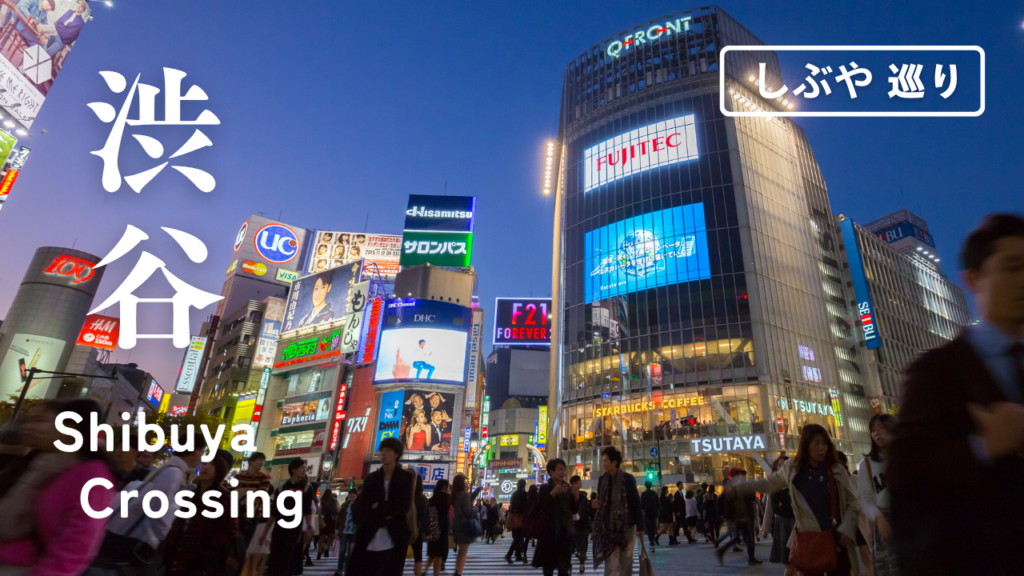
Shibuya is famous for its Scramble Crossing, but the area is much more than one iconic intersection. On this walk, we explore Shibuya as a living symbol of modern Tokyo: trains, crowds, fashion, pop culture, department-store food halls, redevelopment, shopping streets, small backstreets, and everyday city life.
Depending on your interests, the walk may include Hachiko, the world-famous Shibuya Scramble Crossing, Miyashita Park, Center-Gai, Spain-zaka, Shibuya PARCO, Loft, Don Quijote, department-store food culture, Shibuya Stream, or Konno Hachimangu Shrine.
This is a good choice for visitors who want a short introduction to modern Tokyo, families with teenagers or anyone who wants to understand the playful, fast-moving side of the city.
This walk can be kept short and lively, or extended toward Harajuku, Omotesando, Daikanyama, or Ebisu for a deeper look at Tokyo’s changing urban culture.
Duration: About 2 hours (1.5 hours) Starting time: around 11 am. (or 4 pm)
Possible extension: 3 hours (If it includes Dikanyama or Ebisu or Nakameguro, Ikejiri. )
These walks can also be extended into a longer Tokyo shopping and pop culture walk, including Cat Street, Shibuya, Daikanyama, Ebisu, Nakameguro, or Ginza, depending on your interests.
Most shops are open only after 11 am.
Shibuya Evening Food Walk
Experience the energy of Tokyo after dark through food, drinks, conversation, and the lively atmosphere of Shibuya.
Shibuya is personal for me. I grew up near Shibuya when I was young, and I still live close to the area today. Because of this, I know Shibuya not only as a famous sightseeing district, but also as a familiar part of everyday Tokyo life.
This evening walk introduces a different side of Tokyo from temples and gardens: the city as a place of nightlife, local food, casual dining, and social connection. As we explore Shibuya, we can enjoy places such as izakaya-style restaurants, yakitori, local snacks, drinks, and other casual foods depending on your interests.
Shibuya is often known for its famous crossing, neon lights, and youth culture, but it is also a wonderful place to experience how people in Tokyo relax, eat, drink, and spend time together after work.
This walk is relaxed, social, and flavorful — a chance to enjoy Tokyo’s evening atmosphere while also learning about Japanese food culture, urban life, and local customs.
Topics include:
- Tokyo nightlife and urban culture
- izakaya-style dining
- yakitori and casual Japanese food
- Japanese drinking culture
- Shibuya’s youth culture and city atmosphere
- everyday social life in Tokyo
Duration: approximately 3 or 4 hours
Starting time: 6 pm (or 5,30 pm)
Private tour fee: Please inquire.
Imperial Palace, Tokyo Station & Ginza
Walk through the historical and modern heart of Tokyo, from the former site of Edo Castle to Tokyo Station, Yaesu, and Ginza.
This walk introduces the story of Edo, the city that became modern Tokyo. Around the Imperial Palace, we explore the legacy of Edo Castle, the Tokugawa shogunate, samurai government, stone walls, moats, gardens, and the transformation of political power in Japan.
From there, we continue toward Tokyo Station, one of the great gateways of the city. Around the station, we can explore part of Tokyo’s vast underground world — a maze-like network of passages, shops, food areas, station corridors, and hidden routes that feels almost like an underground city.
If time allows, we may also visit the Yaesu side of Tokyo Station and the open terrace at Tokyo Midtown Yaesu, where you can enjoy a view of the station area and see another face of modern Tokyo’s redevelopment.
The walk then continues toward Ginza, Tokyo’s classic district for department stores, fashion, design, cafés, luxury shops, and modern urban culture.
This experience reveals several important faces of Tokyo: the city of political power, the city of railways and underground passages, and the modern city of commerce, fashion, and design.
As a specialist in Japanese history, religion, and philosophy, I can help you see the Imperial Palace, Tokyo Station, Yaesu, and Ginza not only as sightseeing locations, but also as places where Japan’s political culture, urban life, commerce, and modern identity came together.
Topics may include:
- Edo Castle and the Tokugawa shogunate
- samurai government and political power
- the transformation from Edo to Tokyo
- the modernization of Japan
- Tokyo Station and its vast underground city
- the Yaesu side of Tokyo Station
- the view from Tokyo Midtown Yaesu’s terrace
- Ginza as a commercial, fashion, and design district
- the birth of modern Tokyo

Duration: Approximately 3 hours
Starting time:about 9,30 am
Private tour fee: Please inquire.
Please note: on Mondays and Fridays, the Imperial Palace East Gardens are usually closed.
Asakusa: From Play to Pray
Explore one of Tokyo’s most historic and lively neighborhoods, where entertainment, food, shopping, popular culture, and Buddhist devotion come together.
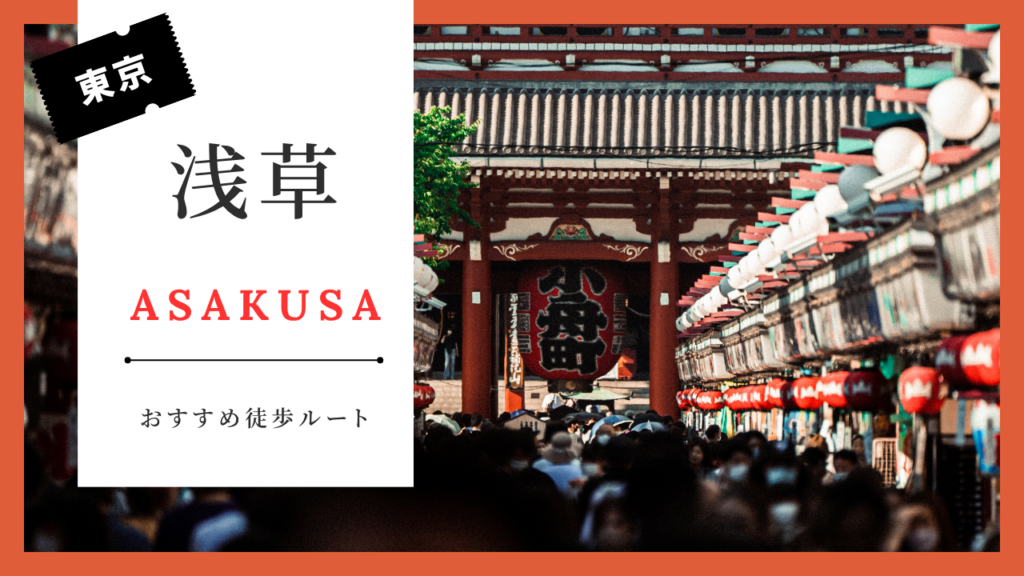
Asakusa has long been associated with the everyday pleasures of city life — theaters, performers, shops, cafés, street food, and festivals. As we walk through the area, we will experience the lively atmosphere of old Tokyo and see how this neighborhood still carries the spirit of Edo’s popular culture.
The walk then leads us toward Senso-ji, Tokyo’s oldest and most beloved Buddhist temple. Here, we explore the world of prayer, ritual, incense, temple gates, and Kannon devotion.
What makes Asakusa special is this movement from “play” to “pray”: from the energy of the streets to the sacred atmosphere of the temple.
As a specialist in Japanese religion and culture, I can help you understand Senso-ji not only as a famous sightseeing spot, but also as a living Buddhist space connected with the hopes, prayers, and everyday lives of the people.
Depending on your interests, we can also extend the walk to Kappabashi, Tokyo’s famous kitchenware district. This is a wonderful area for anyone who enjoys plates, bowls, knives, cooking tools, ceramics, food samples, and the everyday design of Japanese kitchens and restaurants. It adds a fun and practical side to the walk, especially for guests who love food, cooking, tableware, or unique souvenirs.
Topics may include:
- Edo popular culture
- Asakusa as an entertainment district
- Nakamise Street and street food
- Senso-ji Temple
- Kannon devotion
- Buddhist prayer and ritual
- the connection between everyday life and sacred space
- optional visit to Kappabashi for kitchenware, tableware, ceramics, and cooking tools
Duration: About 2 hours
With Kappabashi extension: About 2.5 hours
Private tour fee: Please inquire.
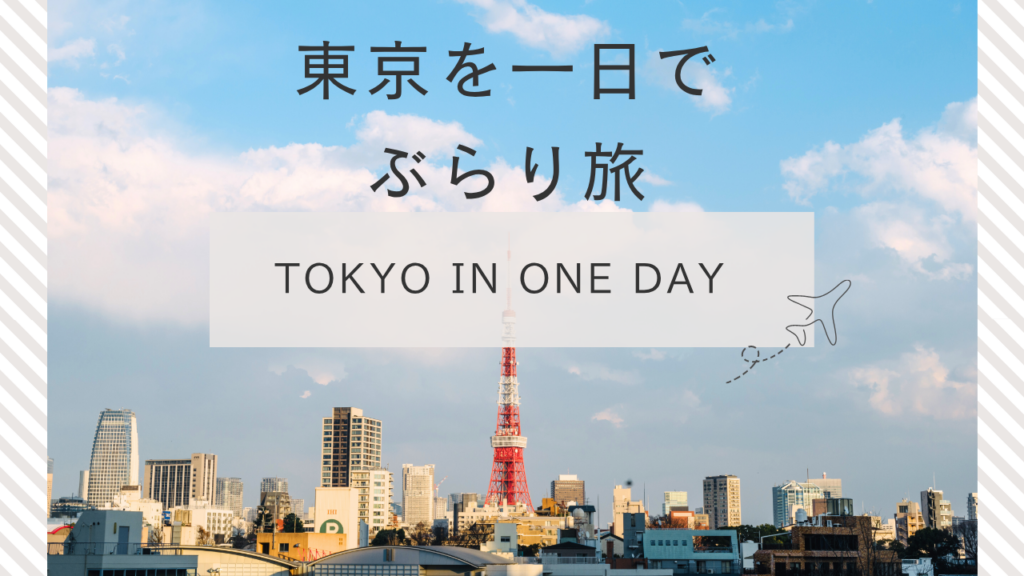
Tokyo in One Day: History, Food & Old Tokyo
This extended private walk is ideal for first-time visitors who want to experience several essential faces of Tokyo in one carefully designed route.
One possible route brings together the Imperial Palace, Tsukiji Outer Market, and Asakusa.
We may begin around the Imperial Palace, the former site of Edo Castle, where we explore the world of the shogun, samurai government, stone walls, moats, gardens, and the historical transformation from Edo to modern Tokyo.
From there, we may continue to Tsukiji Outer Market, one of Tokyo’s most lively food districts. Here we can enjoy seafood, seasonal snacks, street food, and local market culture while learning about Japanese food, fish, sushi, dashi, and everyday eating habits.
Finally, we may visit Asakusa, home to Senso-ji Temple and one of Tokyo’s most beloved old-town neighborhoods. This part of the walk introduces Buddhist devotion, popular entertainment, shopping streets, and the atmosphere of old Edo.
In one route, this walk can bring together political history, food culture, religion, and the everyday energy of Tokyo.
This is only one example. Depending on your interests, pace, the season, opening days, and where you are staying, we can also adjust the route or combine other areas such as Ginza, Nihonbashi, Ueno, Shibuya, Meiji Shrine, or a more local neighborhood.
Please note: this walk is available only on selected days, depending on the opening days of the Imperial Palace East Gardens and the business days of Tsukiji Outer Market. The Imperial Palace East Gardens are usually closed on Mondays and Fridays, and many shops in Tsukiji Outer Market may be closed or quieter on certain market holidays, Sundays, national holidays, or some Wednesdays.
Duration: About 5 hours
Possible extension: Up to 7 hours
Everyday Tokyo: Sangenjaya to Shimokitazawa
This relaxed private walk introduces the everyday side of Tokyo through local streets, small shops, cafés, supermarkets, parks, temples, and neighborhood life.
We begin in Sangenjaya, a lively local area in Setagaya, and walk through ordinary streets and quieter corners toward Shimokitazawa, one of Tokyo’s most loved neighborhoods for small shops, vintage clothing, cafés, music, and independent culture.
Along the way, we may stop at a local supermarket, bakery, convenience store, small temple, green path, shopping street, or casual café. The focus is not on famous landmarks, but on the ordinary details that make Tokyo feel alive: food, packaging, seasonal products, local habits, narrow streets, bicycles, small gardens, and the calm rhythm of neighborhood life.
This walk is especially good for travelers who have already seen some of Tokyo’s major sights, or for anyone who loves the everyday Japan often seen in films, anime, books, and social media.
Depending on your interests, the walk can be arranged around areas such as Sangenjaya, Shimokitazawa, Yutenji, Nakameguro, Daikanyama, Setagaya, or other local neighborhoods.
Duration: About 2.5–3 hours
Kamakura: Zen, Samurai, and the Great Buddha
Explore Kamakura, Japan’s medieval capital, through its temples, shrines, sacred landscapes, and samurai history.
This walk introduces Kamakura not only as a beautiful historic town, but also as one of the most important centers of Buddhism, Zen, and warrior culture in Japan. We visit places such as the Great Buddha, Hase Temple, and Tsurugaoka Hachimangu Shrine, while exploring the relationship between religious devotion, samurai power, and the natural landscape.
Kamakura is especially personal for me. I grew up in Kamakura from elementary school through high school, and my family lived in the hills near the Great Buddha and Hase Temple. I also attended a high school connected with Kenchoji, Japan’s oldest Zen temple. Because of this background, I can introduce Kamakura not only through history and scholarship, but also through lived experience.
As a specialist in Japanese religion, Zen thought, and Japanese philosophy, I can help you understand Kamakura’s temples and shrines as living cultural and spiritual spaces — places where Buddhism, samurai culture, nature, and Japanese aesthetics come together.
Topics include:
- the Kamakura period and Japan’s first samurai government
- Zen,and Buddhism in Japan
- Nothingness and Deeper states of consciousness
- the Great Buddha and Buddhist devotion
- Hase Temple and Kannon worship
- Tsurugaoka Hachimangu Shrine and warrior culture
- Zen Buddhism and Kamakura’s temple culture
- sacred landscapes and Japanese aesthetics
- Kamakura as both history and lived place
Duration: 4.5 hours
Private tour fee: Please inquire.
Contact
For private tours or cultural experiences, please contact me:
muratameditation@gmail.com