A private exploration of Shinto, modern Japan, and Japanese aesthetics, guided by a scholar of Japanese philosophy and Zen
Meiji Shrine & Omotesando
Experience two very different faces of Tokyo in one walk: the quiet, spiritual atmosphere of Meiji Shrine and the fashionable, modern energy of Harajuku and Omotesando.
We begin with the forested approach to Meiji Shrine, where you can feel the presence of Shinto, nature, ritual, and modern Japanese history. We then continue into Harajuku and Omotesando, areas known for fashion, design, architecture, youth culture, and stylish urban energy. Here, you can also experience one of the cutting edges of Japanese fashion and contemporary urban culture.
As a specialist in Japanese religion and philosophy, I can help you understand Meiji Shrine not only as a beautiful place to visit, but also as a living expression of Shinto, nature, ritual, and modern Japanese identity.

Topics include:
- Shinto and sacred nature
- Meiji Shrine and modern Japanese history
- the forest as a spiritual space
- Harajuku and youth culture
- Omotesando and Cat Street fashion district
- cutting-edge Japanese fashion and contemporary urban culture
- incense, ceramics, cafes and everyday Japanese aesthetics
- residential area in Aoyama
- traditional and modern Japan in contrast
What makes this walk especially interesting is the contrast: traditional spirituality and sacred forest on one side, modern fashion, and contemporary Japanese creativity on the other.
Duration: about 2.5 or 3 hours
Private tour fee: Please inquire.
Most shops are open only after 11 am.
Starting time should be after 11 am, if you want to go into some shops.
Meiji Shrine to Shibuya: Sacred Forest, Design Streets, and Pop Tokyo
Experience a remarkable walk through many layers of Tokyo — from the sacred forest of Meiji Shrine to the fashion streets of Harajuku, the refined design culture of Omotesando and Aoyama, and finally the vibrant energy of Shibuya.
We begin at Meiji Shrine, one of Tokyo’s most peaceful and spiritually significant places. As we walk through the forested approach and the Inner Garden, we explore Shinto, sacred nature, ritual, seasonal beauty, and the quiet atmosphere that makes this shrine so special.
From there, we move into a completely different world: Harajuku and Takeshita Street, with their colorful youth culture, snacks, fashion, and playful energy. We then continue through smaller back streets, visiting places such as an incense shop, Japanese fashion stores, Omotesando Hills, and carefully selected design and craft shops.
In Omotesando and Aoyama, we look at contemporary architecture, Japanese brand identity, street fashion, everyday aesthetics, and the quiet beauty of objects such as ceramics, incense, clothing, and shop displays. Along the way, we also visit small hidden shrines and residential streets that reveal a softer, more local side of the city.
The walk finishes in Shibuya, where we experience Tokyo’s urban energy: Miyashita Park, the world famous Shibuya Scramble Crossing, department-store food culture, Loft, Don Quijote, Spain-zaka, PARCO for the pop-cultural atmosphere around.
What makes this walk special is the contrast. In just a few hours, we move from sacred forest and stillness to fashion, design, food, shopping, and the constantly changing energy of contemporary Tokyo.
Topics include:
- Shintoism, sacred nature, and Meiji Shrine
- the Inner Garden and Japanese aesthetics
- Harajuku youth culture and street fashion
- incense, ceramics, cafes and everyday Japanese aesthetics
- Omotesando and Cat Street fashion
- hidden shrines and small back streets
- residential area in Aoyama
- Shibuya food culture, Depachika (Tokyu Food Show)
- Ramen in Shibuya
- Shibuya Scramble crossing, Hachiko,
- shopping, and pop culture, (Loft, Don Quijote, Spain-zaka Slope, Parco...)
- the contrast between traditional and contemporary Tokyo
Duration: approximately 5 hours (between 4 to 6 hours)
Private tour fee: Please inquire.
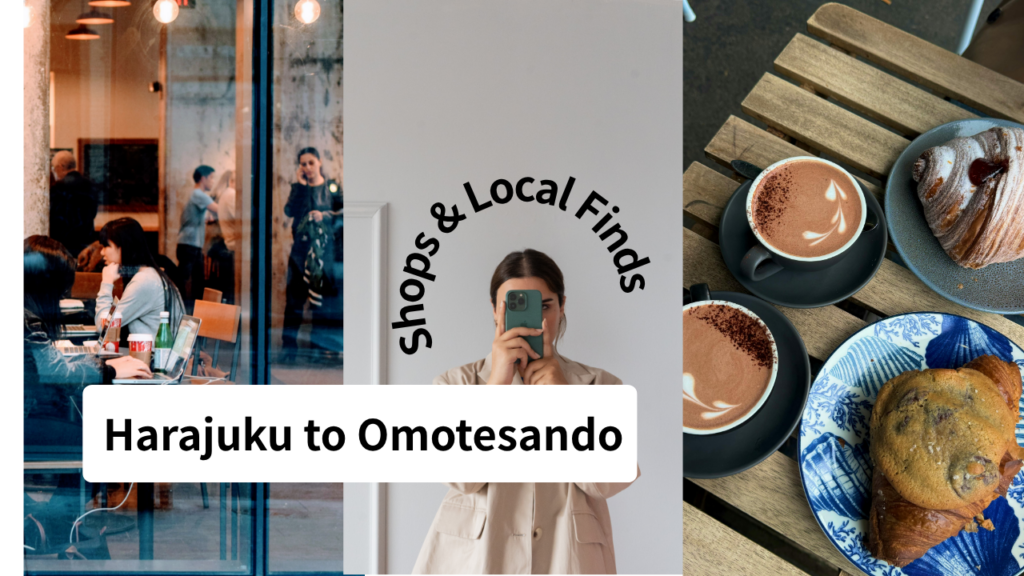
Harajuku to Omotesando: Hidden Streets, Shops & Local Finds
This short private walk is ideal for travelers who want to enjoy Tokyo’s shops, streets, cafés, small discoveries, and local atmosphere without following a standard sightseeing route.
We begin around Harajuku and Takeshita Street, then move toward Omotesando, Aoyama, and the smaller backstreets that many visitors would not easily find on their own. Instead of focusing on long historical explanations, this walk is about the pleasure of moving through Tokyo: colorful streets, quiet corners, lifestyle shops, cafés, small restaurants, design stores, green spaces, and unexpected local finds.
Depending on your interests, we may explore fashion streets, character goods, stationery, sweets, small cafés, casual food spots, design shops, local parks, or quiet residential-feeling lanes just behind the main avenues.
This is a relaxed, flexible walk led by someone who knows the area personally for a very long time! It is especially good for visitors who want a lighter, more playful experience of Tokyo — something fun, stylish, and local.
Duration: About 2 hours
Possible extension: Continue toward Cat Street or Shibuya
Most shops are open only after 11 am.
Starting time: 11 am
Shibuya Now: Crossing, Backstreets & Pop Tokyo
This short private walk is ideal for travelers who want to experience the energy, color, and constant change of contemporary Tokyo.
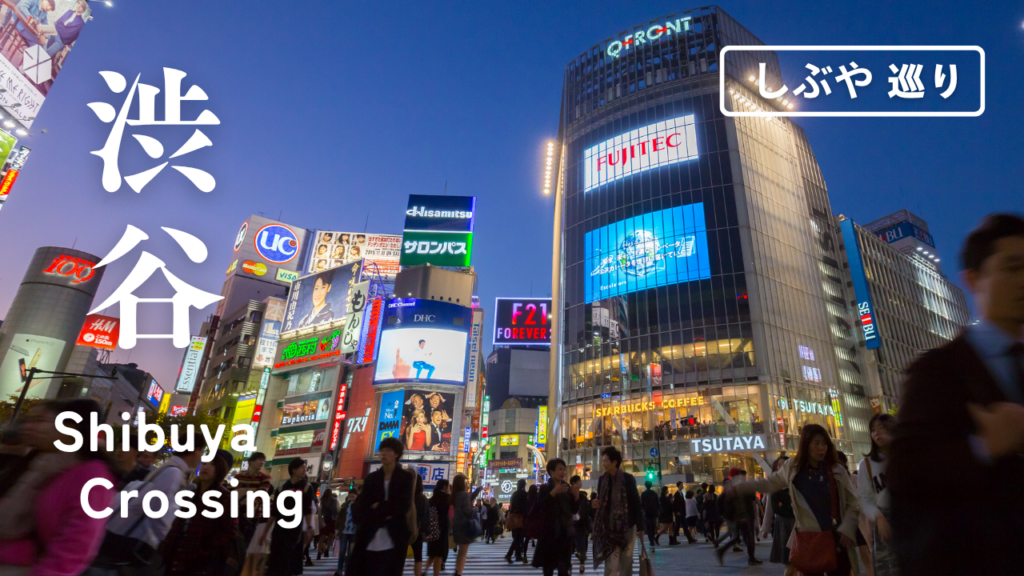
Shibuya is famous for its Scramble Crossing, but the area is much more than one iconic intersection. On this walk, we explore Shibuya as a living symbol of modern Tokyo: trains, crowds, fashion, pop culture, department-store food halls, redevelopment, shopping streets, small backstreets, and everyday city life.
Depending on your interests, the walk may include Hachiko, the world-famous Shibuya Scramble Crossing, Miyashita Park, Center-Gai, Spain-zaka, Shibuya PARCO, Loft, Don Quijote, department-store food culture, Shibuya Stream, or Konno Hachimangu Shrine.
This is a good choice for visitors who want a short introduction to modern Tokyo, families with teenagers or anyone who wants to understand the playful, fast-moving side of the city.
This walk can be kept short and lively, or extended toward Harajuku, Omotesando, Daikanyama, or Ebisu for a deeper look at Tokyo’s changing urban culture.
Duration: About 2 hours (1.5 hours)
Starting time: around 11 am. (or 4 pm)
Possible extension: 3 hours (If it includes Dikanyama or Ebisu or Nakameguro, Ikejiri. )
These walks can also be extended into a longer Tokyo shopping and pop culture walk, including Cat Street, Shibuya, Daikanyama, Ebisu, Nakameguro, or Ginza, depending on your interests.
Most shops are open only after 11 am.
Shibuya Evening Food Walk
Experience the energy of Tokyo after dark through food, drinks, conversation, and the lively atmosphere of Shibuya.
Shibuya is personal for me. I grew up near Shibuya when I was young, and I still live close to the area today. Because of this, I know Shibuya not only as a famous sightseeing district, but also as a familiar part of everyday Tokyo life.
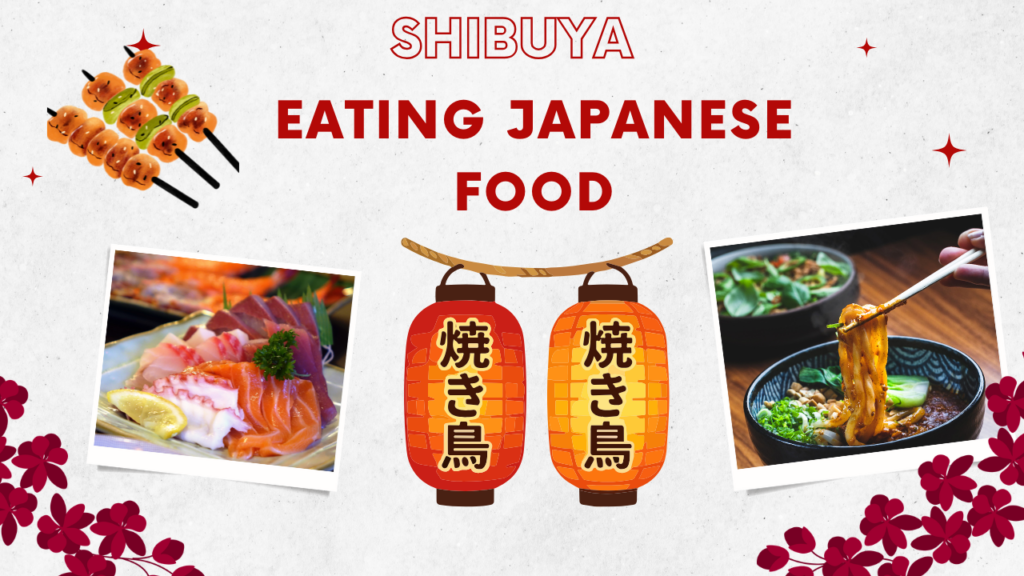
This evening walk introduces a different side of Tokyo from temples and gardens: the city as a place of nightlife, local food, casual dining, and social connection. As we explore Shibuya, we can enjoy places such as izakaya-style restaurants, yakitori, local snacks, drinks, and other casual foods depending on your interests.
Shibuya is often known for its famous crossing, neon lights, and youth culture, but it is also a wonderful place to experience how people in Tokyo relax, eat, drink, and spend time together after work.
This walk is relaxed, social, and flavorful — a chance to enjoy Tokyo’s evening atmosphere while also learning about Japanese food culture, urban life, and local customs.
Topics include:
- Tokyo nightlife and urban culture
- izakaya-style dining
- yakitori and casual Japanese food
- Japanese drinking culture
- Shibuya’s youth culture and city atmosphere
- everyday social life in Tokyo
Duration: approximately 3 or 4 hours
Starting time: about 6 pm (or 5,30 pm)
Private tour fee: Please inquire.